Short answer? Most of them should — but not all of them do. If you’re eyeing off a cosmetic tattoo course thinking you’ll come out ready to tattoo brows, lips or eyeliner with confidence, machine in hand, you’ll want to read the fine print. If you’re asking “Do cosmetic tattoo courses include machine training?” — good. It means you care about professional standards, not just hype.
As a working cosmetic tattooist and educator in the aesthetics industry, I’ve seen too many students shell out thousands, only to leave their course unsure how to hold a machine properly, let alone use it on a real client. So let’s break it down: what kind of machine experience and hands-on practice you should expect, what’s often missing, and how to spot a course that actually sets you up for real-world success.
At Cosmetic Tattoo Melbourne Studio Face Figurati, we meet students all the time who were left in the dark after a basic intro course. That’s why proper machine training is one of our non-negotiables.
Contents
The Basics
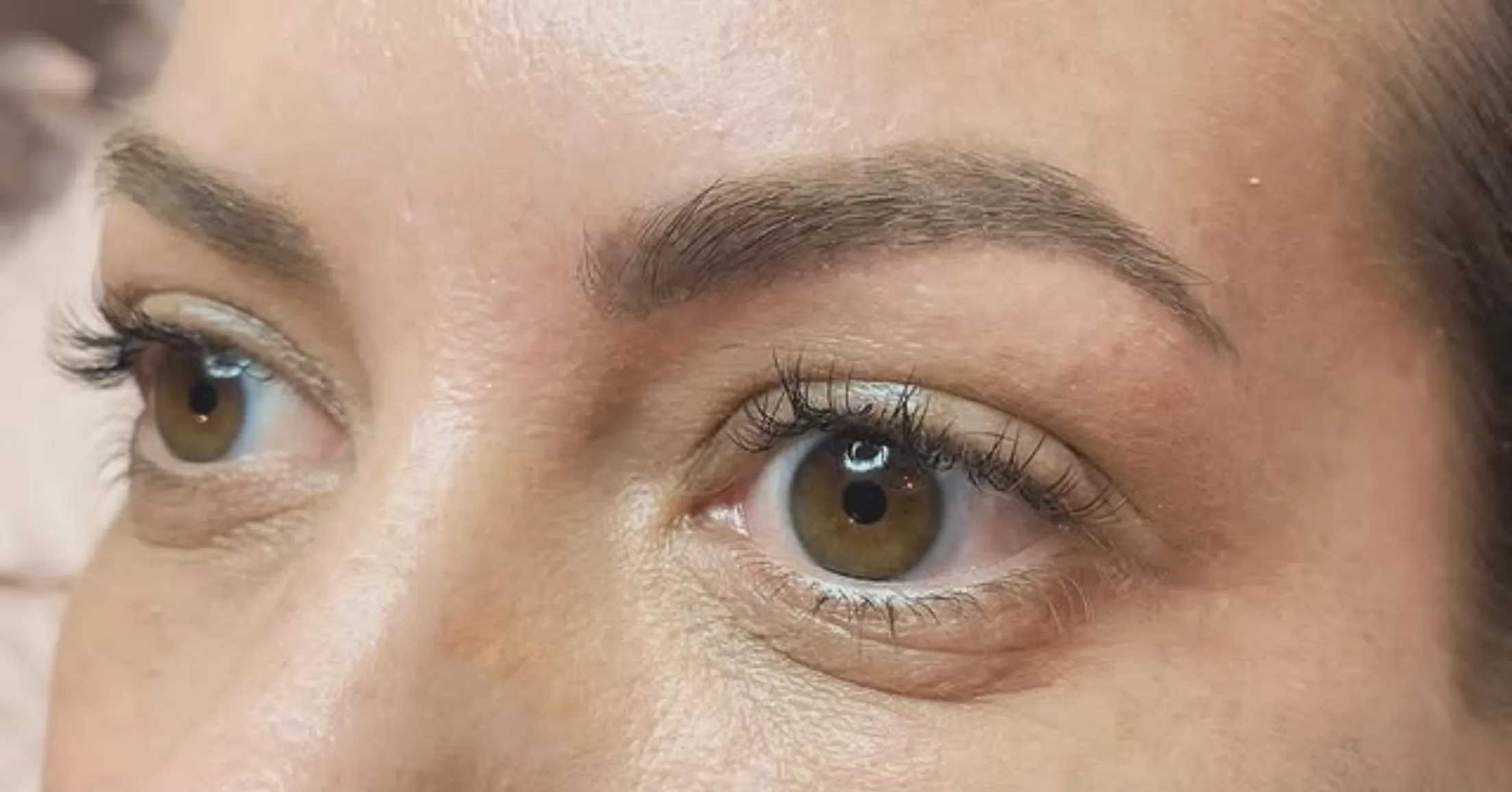
Machine training refers to practical experience and theoretical understanding of how to use a cosmetic tattoo machine safely and effectively. It includes:
- How different machines work (rotary vs coil vs digital)
- Needle configurations and cartridges
- Proper depth, speed and angle
- Hand pressure and movement techniques
- Skin stretching and support
- Hygiene and machine maintenance
This foundational skill set is essential for performing eyebrow tattoo, eyeliner cosmetic tattoo, beautiful lip tattoos, colour correction and bespoke brows treatments.
Fun fact: According to the 2025 Beauty Education Trends Report, over 85% of clients now request machine-based treatments over manual methods like microblading. The cosmetic tattooing industry is growing fast — and client expectations are rising with it.
Inclusions
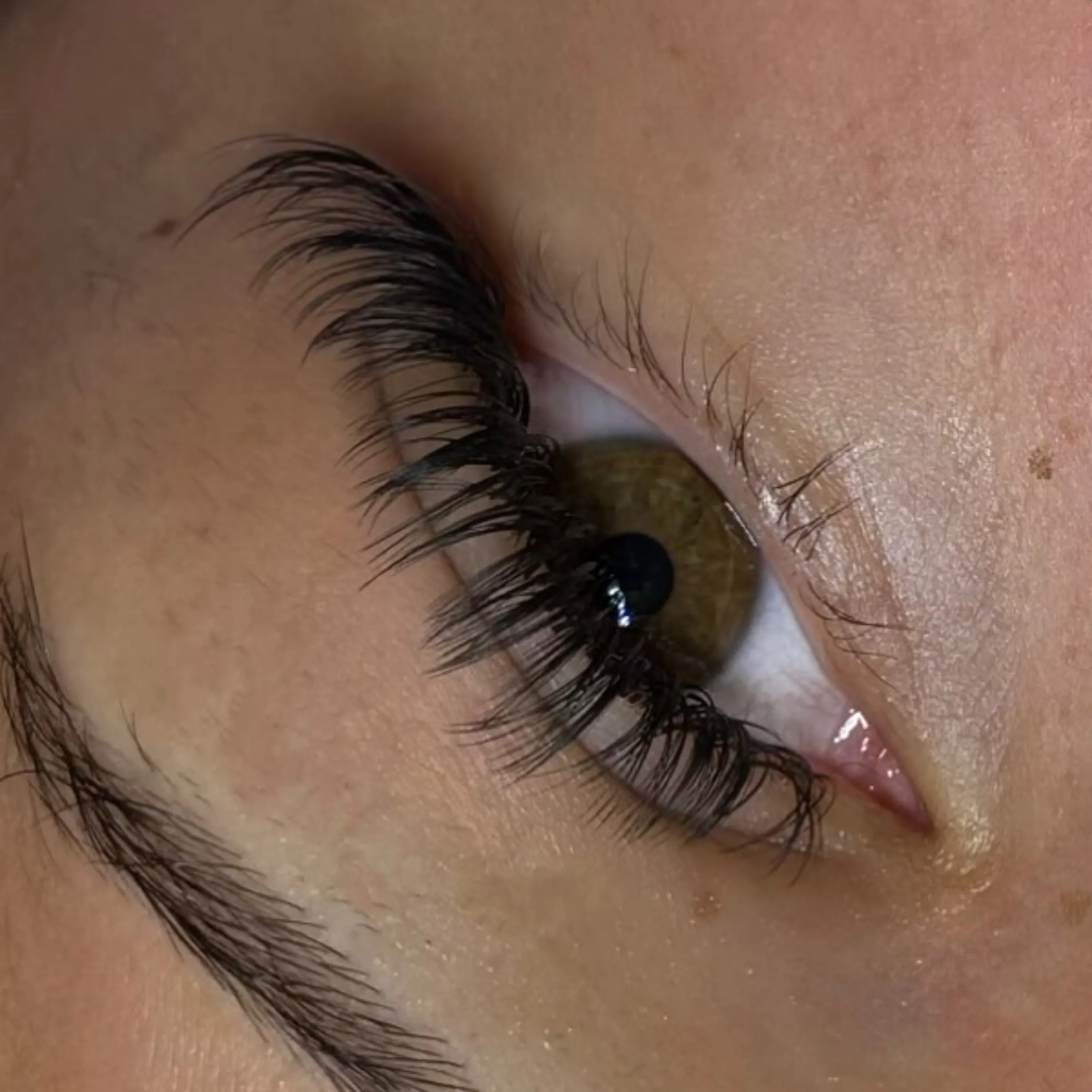
If you want to be a confident and capable cosmetic tattoo artist here’s what a good cosmetic training program will cover in terms of machine work:
1. Theory First
Great tattooists start with solid foundation knowledge — not just vibes and good lighting.
Expect to cover:
- Tattooing theory: skin layers, pigment retention, healing process
- Colour theory and pigment selection based on skin tones and skin types
- Machine types and their pros/cons
- Needle depth vs trauma, especially across different skin conditions and darker skin
2. Demo + Practice on Synthetic Skin
Before you ever touch a live model you should be shown the technique by an experienced artist, then practice it yourself on latex or silicone pads. Repeatedly.
Look for a course that allows you:
- Multiple practice sheets for lining, shading, blending
- Real feedback loops (not just “good job”)
- Correction and troubleshooting based on technical skills and accuracy
3. Live Model Work With Supervision
This is where the rubber hits the road. Or the needle hits the dermis.
You should get hands-on experience working on real skin — not just watching someone else.
Key things to look for:
- At least one client consultation and live model per area (brows, lips, eyeliner cosmetic tattoo)
- Trainer guidance and intervention if needed
- Pre- and post-treatment protocols for permanent makeup sessions
4. Machine Familiarisation & Maintenance
Using your machine properly isn’t just about technique. It’s about keeping your setup clean, your beauty services professional and your results consistent.
A good course will also teach:
- How to assemble and disassemble your machine
- Colour pigment loading and hygiene standards
- Maintenance and troubleshooting
5. Written Material and Ongoing Access
Because nobody absorbs everything in one go. You want:
- A manual or workbook covering foundation skills, diagrams and colour selection tips
- Access to online support or extra resources
- Flexible training dates if possible — especially important for busy beauty professionals
Top-tier Cosmetic tattoo courses also teach students how to adapt techniques for unique skin and facial structure — a big focus at Face Figurati.
What Many Courses Miss Out
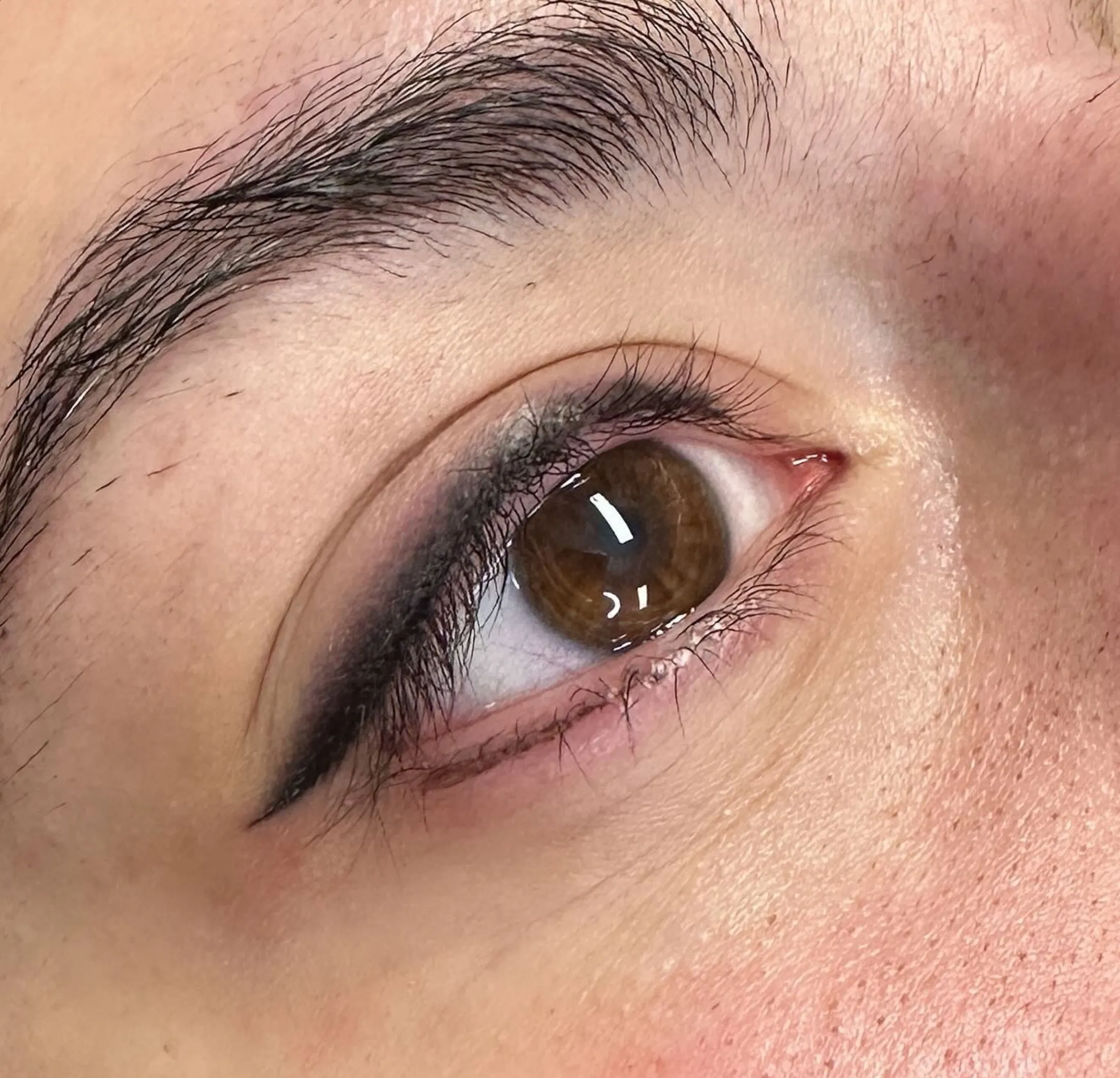
Let’s be real: a lot of cheaper or shorter courses rush students through the bare minimum for “completion”.
Here’s what often gets glossed over:
- Machine handling technique coaching — how to use your artistic flair, not just “draw a line”
- Skin type variation — not every face is the same. Thin skin, oily skin, mature skin… they all react differently
- Voltage, stroke and speed control — absolutely vital for avoiding blowouts or poor pigment saturation
- Real-world conditions — dealing with anxious clients, sweaty palms or uneven skin texture
“I finished my course and still didn’t know how to hold the machine properly for lip blush. I had to pay for a second advanced training just to feel confident.” — Real student feedback from a Brisbane makeup artist.
This isn’t just a training gap. It’s a confidence killer.
Machine Training Standards
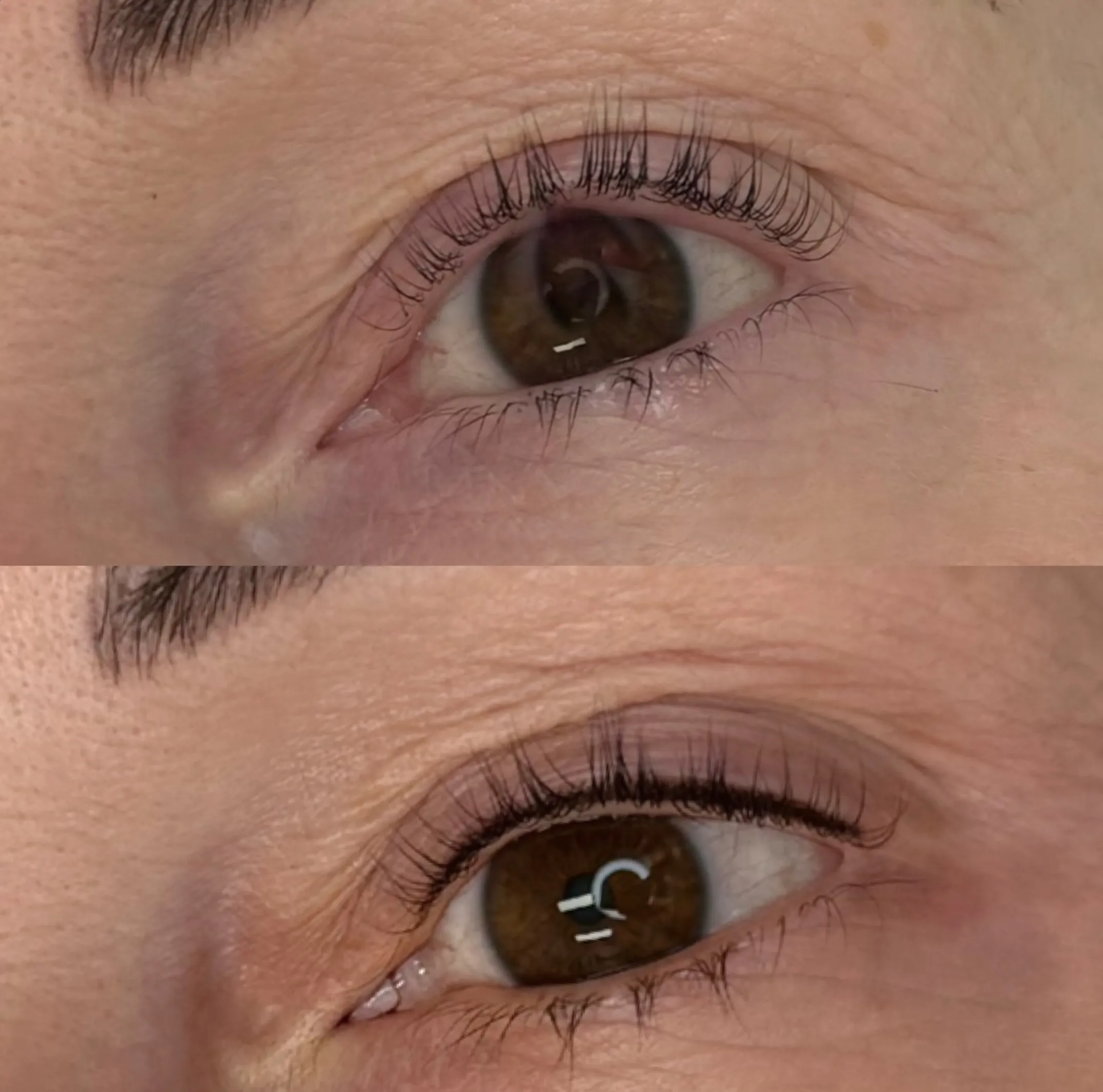
In Australia, the beauty industry is regulated by state — and standards vary. Here’s what you should know:
- There’s no nationally enforced machine curriculum in beauty qualifications
- Some formal training through RTOs includes machine work, others don’t
- You might get a certification of cosmetic tattoo artistry, but the quality behind that paper varies wildly
That’s why at Cosmetic Tattoo Melbourne Studio Face Figurati, we only run cosmetic tattoo course that go beyond the basics. We want every graduate to feel capable the moment they walk out.
This is why it’s on you as a student or aspiring cosmetic tattooing artist to ask hard questions. You’re not just looking for a course. You’re looking for career-ready, industry-standard training.
What You Get Across Different Course Types
| Course Type | Machine Training? | Practical Training? | Live Models? | Duration | Avg Cost (AUD) |
|---|---|---|---|---|---|
| Online-Only Intro | Rarely | No | No | 1–2 days | $500–$1500 |
| In-Person 3-Day | Sometimes | Limited | Rare | 3 days | $2000–$4000 |
| 5–7 Day Intensive | Usually | Yes | Yes | 5–7 days | $4500–$7000 |
| Accredited Diploma | Yes | Yes | Yes | 3–12 months | $6000–$15,000+ |
2025’s Top Tattoo Skill
APAN and industry training audits show:
- 68% of trainers are seeing more demand for machine-based services like permanent eyebrows, lip blush and eyeliner tattooing
- 73% of students felt they needed more practice after the course
It’s clear: the cosmetic tattooing industry expects more than a piece of paper and shaky lines.
Whether you’re learning at Face Figurati or another academy, the goal is the same: produce confident, ethical, skilled cosmetic tattoo artists.
Questions to Ask Before You Book
Want to find affordable prices without compromising quality? Use this checklist:
- Will I get hands on experience with a real machine?
- Are different skin types and skin conditions covered?
- Will I learn colour theory and pigment behaviour?
- Do they offer client consultations practice and real-case feedback?
- Can I contact trainers after the training dates?
- How long is the time limit on support or assessment resubmission?
Red Flags to Watch Out For
- “Intro course” with no machine experience
- No support for colour correction or darker skin tones
- Generic beauty trainers with no cosmetic tattooing background
Final Thoughts
You’re entering an industry that requires technical skill, artistic skill and a steady hand. You’re creating permanent beauty — and that takes more than one quick weekend course.
Do your research. Choose your trainer wisely. Ask about everything from colour theory to hands on training hours. And never forget: you’re not just buying a certificate — you’re building a career.
Need help finding a good course near you? Drop your city below — I’ll send you some recommendations or get in touch with Face Figurati in Melbourne for upcoming dates.
FAQ
Can I learn cosmetic tattoo machine skills online?
You can learn the theory online. But you need hands-on experience to develop your muscle memory and client safety skills.
What machine should I buy if I’m starting out?
Look for beginner-friendly brands used by pros in the cosmetic tattooing industry: Mast, FK Irons, or Nouveau Contour are good to start with.
How long does it take to feel confident with a tattoo machine?
Most beauty professionals say it takes 30–50 hours of practical training post-certification to feel comfortable. There’s no rush — just continuous improvement.
Is machine tattooing better than microblading?
Machine tattooing is often better for long term skin health, especially on darker skin, oily skin or ageing clients. It heals softer and blends better across all skin tones.
Can I use one machine for brows, lips and eyeliner?
Yes — as long as it has adjustable voltage and colour pigment load, many artists use one good machine across all areas of cosmetic tattoo artistry.