What animals do you see in the Blue Mountains? And it’s a fair question – especially once you start to think about it – when you work out that the Greater Blue Mountains World Heritage Area is playing host to some of the most varied Aussie wildlife you’ll find anywhere near a big city. I’m Paul Beames, and after decades of showing people around these eucalyptus forests, sandstone valleys, and shady little gullies, I can tell you that this place delivers wildlife encounters that stick with you long after you’ve shaken the eucalyptus leaves out of your boots.
The Blue Mountains isn’t precisely a zoo – you won’t spot every native animal in one neat circuit – but if you wander under the towering eucalyptus trees, keep an eye out for all the movement in the branches & you’ll bump into creatures that are older than this world heritage site itself.
Contents
- 1 The Big Crowd-Pleasers You’ll Spot Without Trying
- 2 Birdlife That Turns Every Walk Into A Bush Orchestra
- 3 Nocturnal Wildlife — The Bush After Dark
- 4 Reptiles You’ll Meet On Warmer Days
- 5 Quick Reference Table — What You’ll See And Where
- 6 Seasons Change: What You’ll See
- 7 Bush Etiquette That Makes You A Better Visitor
- 8 A Simple Itinerary For Real Wildlife Encounters
- 9 Frequently Asked Questions
The Big Crowd-Pleasers You’ll Spot Without Trying
Some animals practically write themselves into your trip notes – while others need patience, quiet walking & the sort of curiosity that makes bush walking worthwhile (if you know what I mean).
Eastern Grey Kangaroos, Red-Necked Wallabies, And Wild Kangaroos
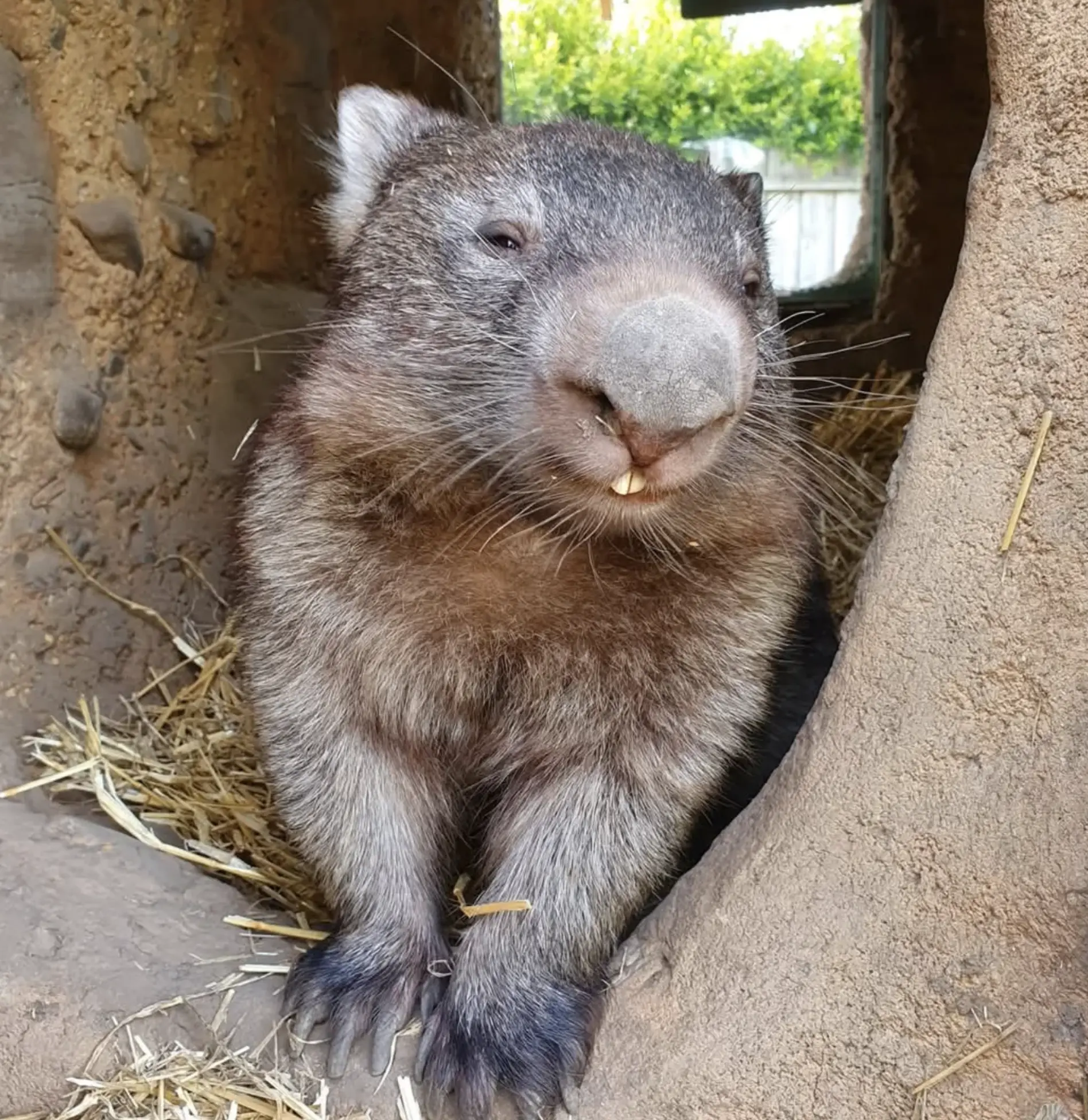
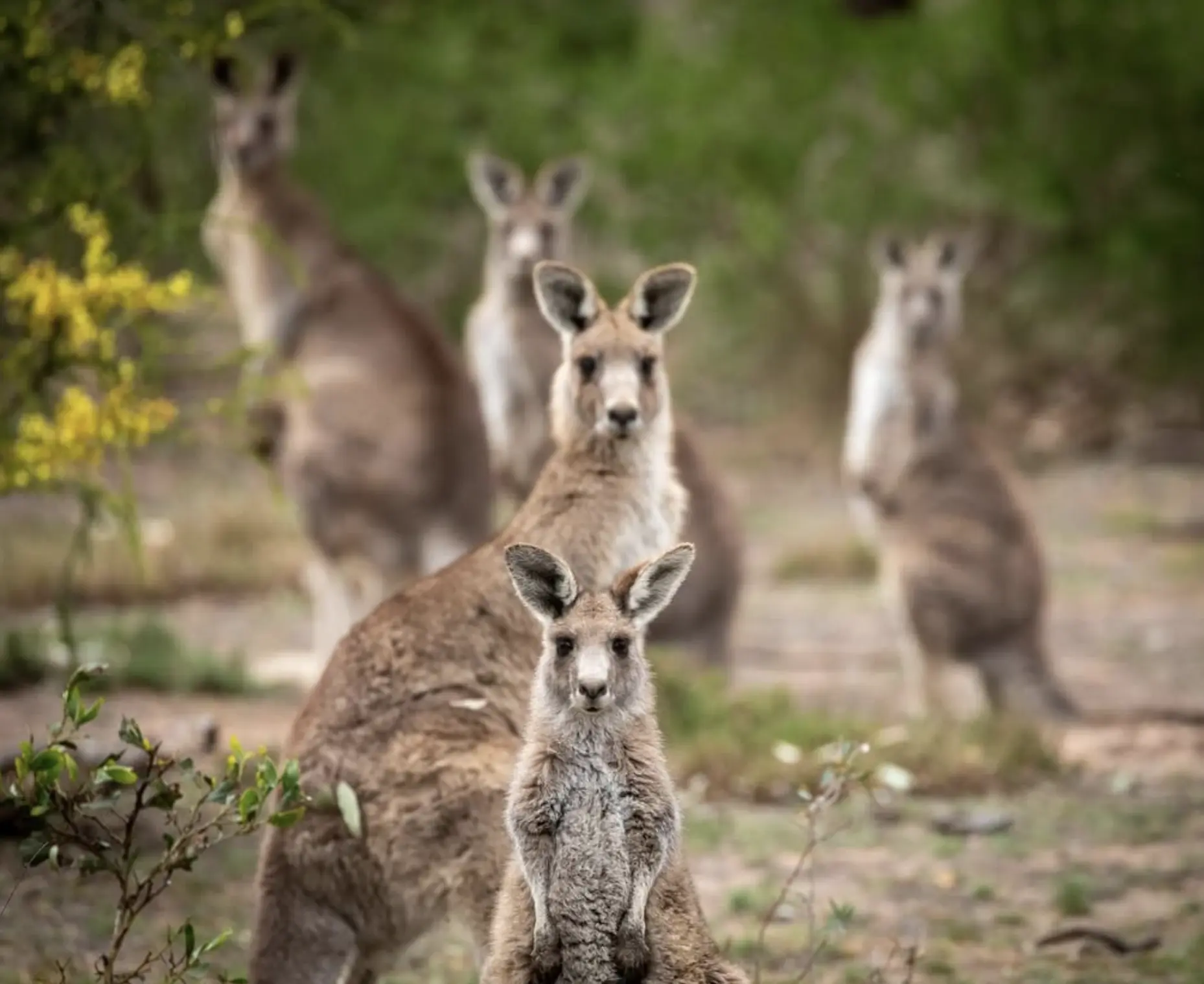
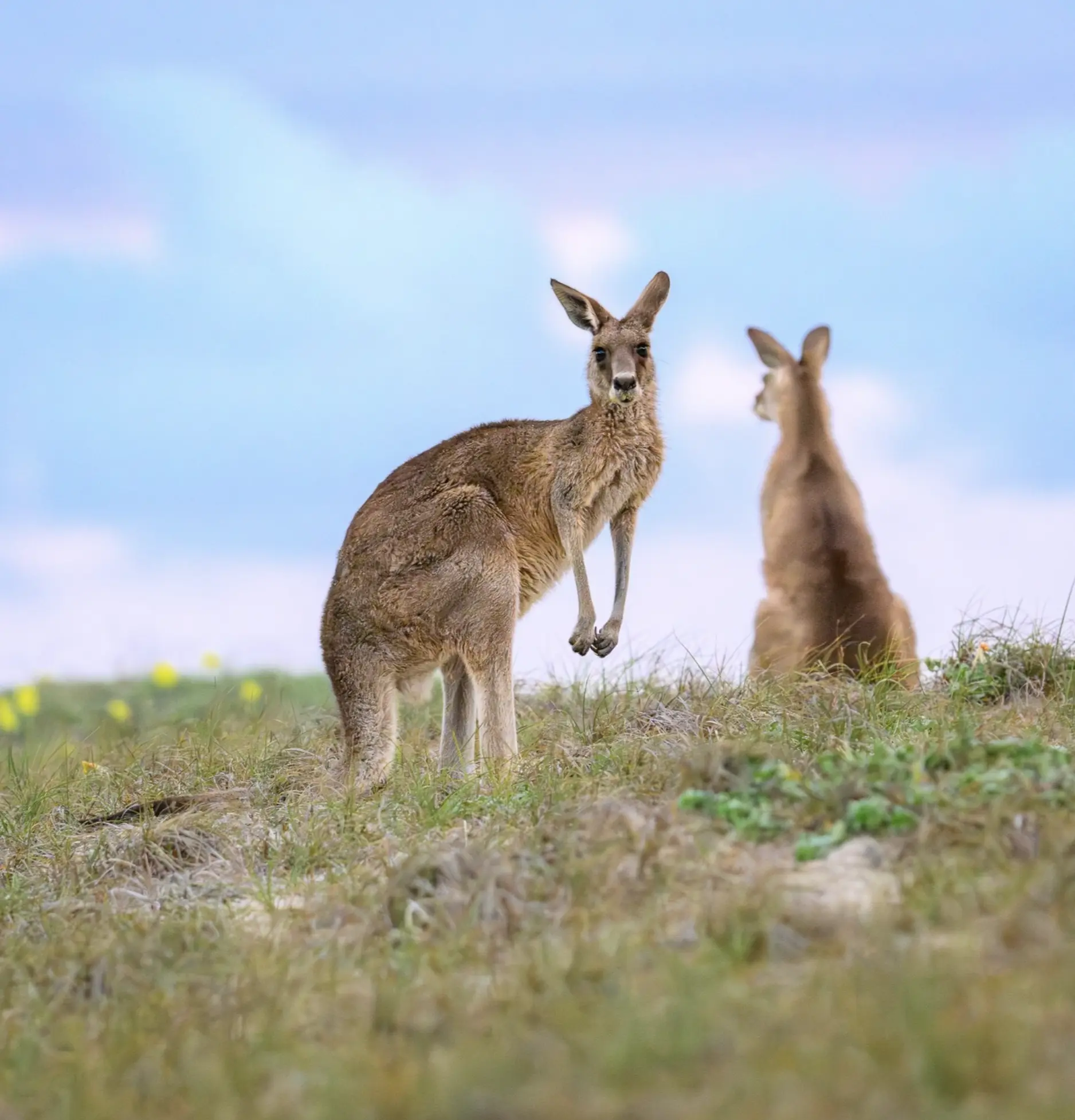
These are pretty much the poster animals, if you know what I mean. They pretty much dominate the open country out in the Megalong Valley and Euroka Clearing. Eastern grey kangaroos often graze in big mobs, while the smaller, stockier Red-necked Wallaby (some people call them the “Swamp Wallaby” cousins) like to stick closer to the edges of the bushland.
Local tip: Don’t get too close to the wild kangaroos. They’re powerful, fast and generally prefer to eat grass rather than have their picture taken.
Wombats Trundling Around At Dusk
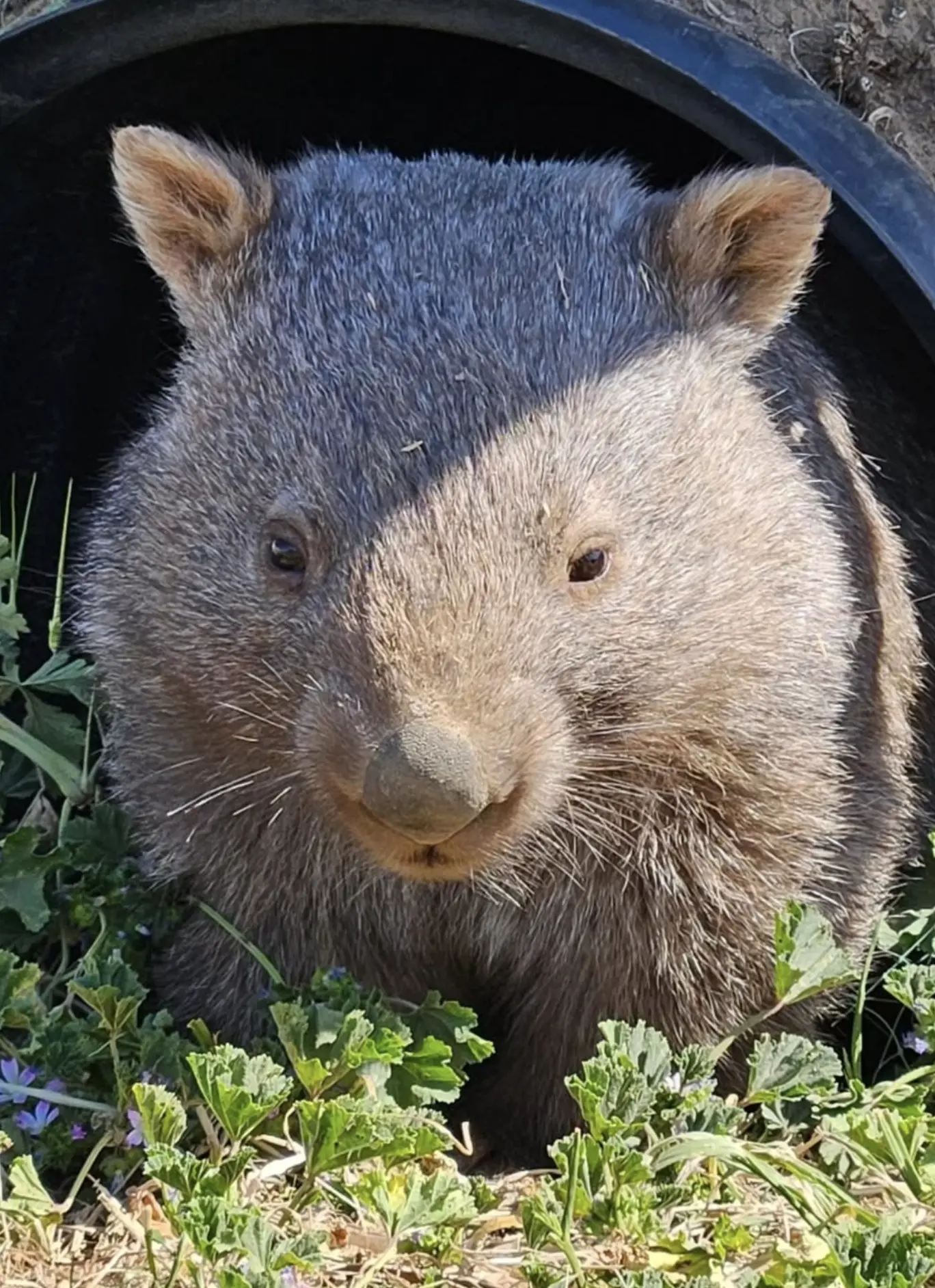
The common wombat is probably the Blue Mountains‘ most famous native animal, especially in the areas around Newnes and Kanangra-Boyd. They trundle around like little tanks & dig deep burrows into all that soft soil that’s been shaped by millions of years of erosion.
You’re more likely to spot them throughout winter, as they get up to foraging before the cold really sets in.
Birdlife That Turns Every Walk Into A Bush Orchestra
The Blue Mountains are a bird lover’s paradise, with way more species than many visitors expect to see. As per the BirdLife Australia Atlas and the Blue Mountains Fauna Inventory, a whopping 260 recorded bird species call this beautiful World Heritage Area home (and we’re counting on that number staying up to date in 2024).
Superb Lyrebirds, Honeyeaters, And Noisy Red Wattlebirds
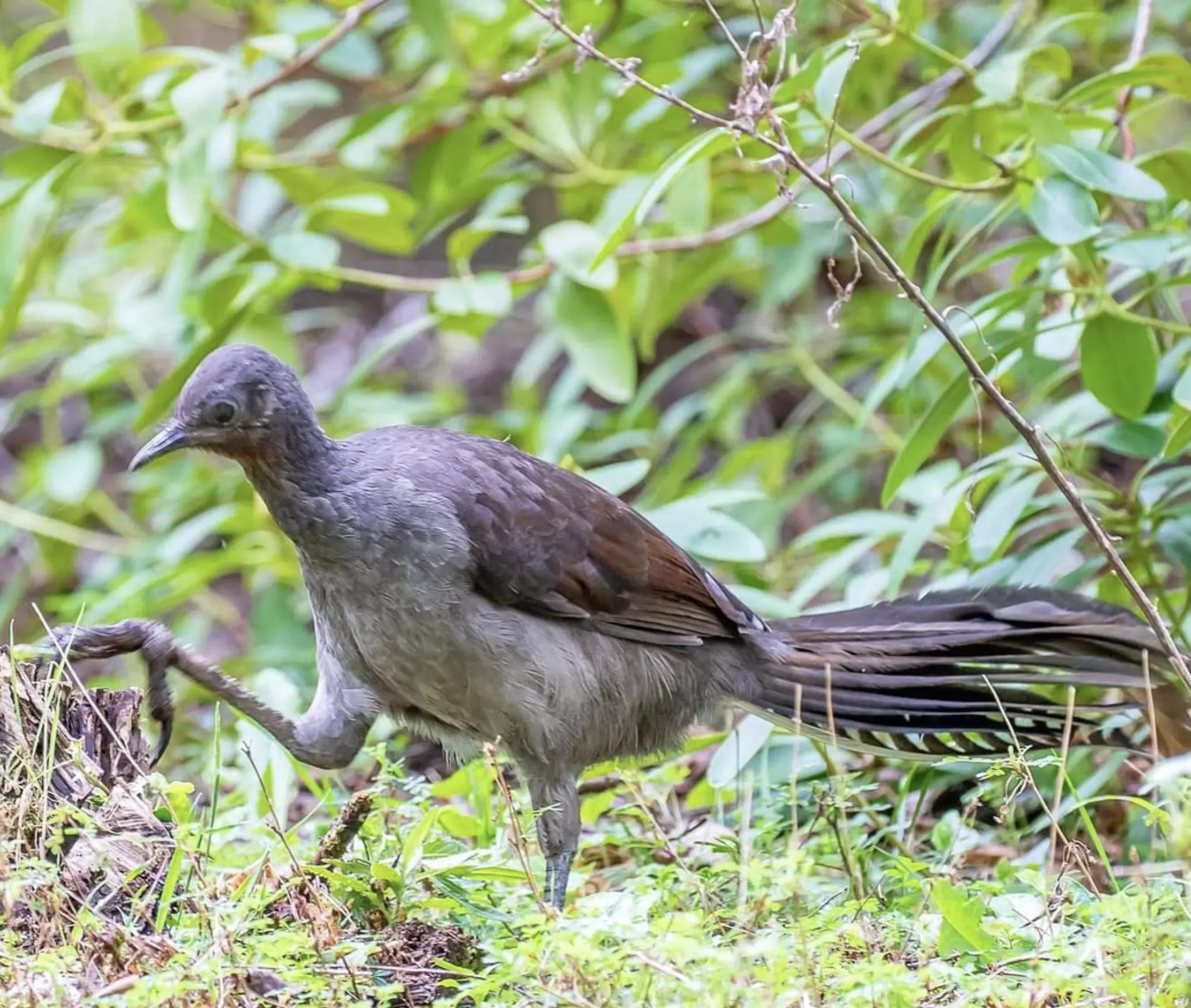
Lead vocalist of the bush is the superb lyrebird – this bird is a genius mimic, able to replicate sounds of camera shutters, chainsaws, and half the sounds of the red gum forests of Sydney. You’ll hear them warbling away along Leura Cascades, the Grand Canyon bushwalk and the Jamison Valley.
The yellow-faced honeyeaters come in huge flocks in autumn, following the blooming banksias across the ridgelines. Then theres the noisy red wattlebirds and other honey eaters adding their raspy calls to the mix as they flit between flowering shrubs.
Crimson Rosellas, Black Cockatoos, And The Elusive Regent Honeyeater
Crimson rosellas flash their brilliant colours through the canopy, a real treat to see them. Meanwhile, black cockatoos soar overhead, their slow wingbeats echoing through deep valleys like Grose Vale. If you’re super lucky, you might even catch a glimpse of a regent honeyeater – one of Australia’s rarest birds – and all the more reason to appreciate the work of groups like BirdLife International and local wildlife volunteers.
Raptors Along The Clifftops
As you take a closer look, you’ll notice wedge-tailed eagles, peregrine falcons and other impressive hunters riding the thermal winds over the Grose Valley. They’re part of that vast Australian wildlife network that stretches right from the Blue Mountains to places as far-flung as Jenolan Caves.
Nocturnal Wildlife — The Bush After Dark
Once the sun dips behind the escarpment, the Blue Mountains really transform. The calls change, the air cools, and Australia’s night shift gets underway.
Gliders, Tawny Frogmouths, And Greater Gliders
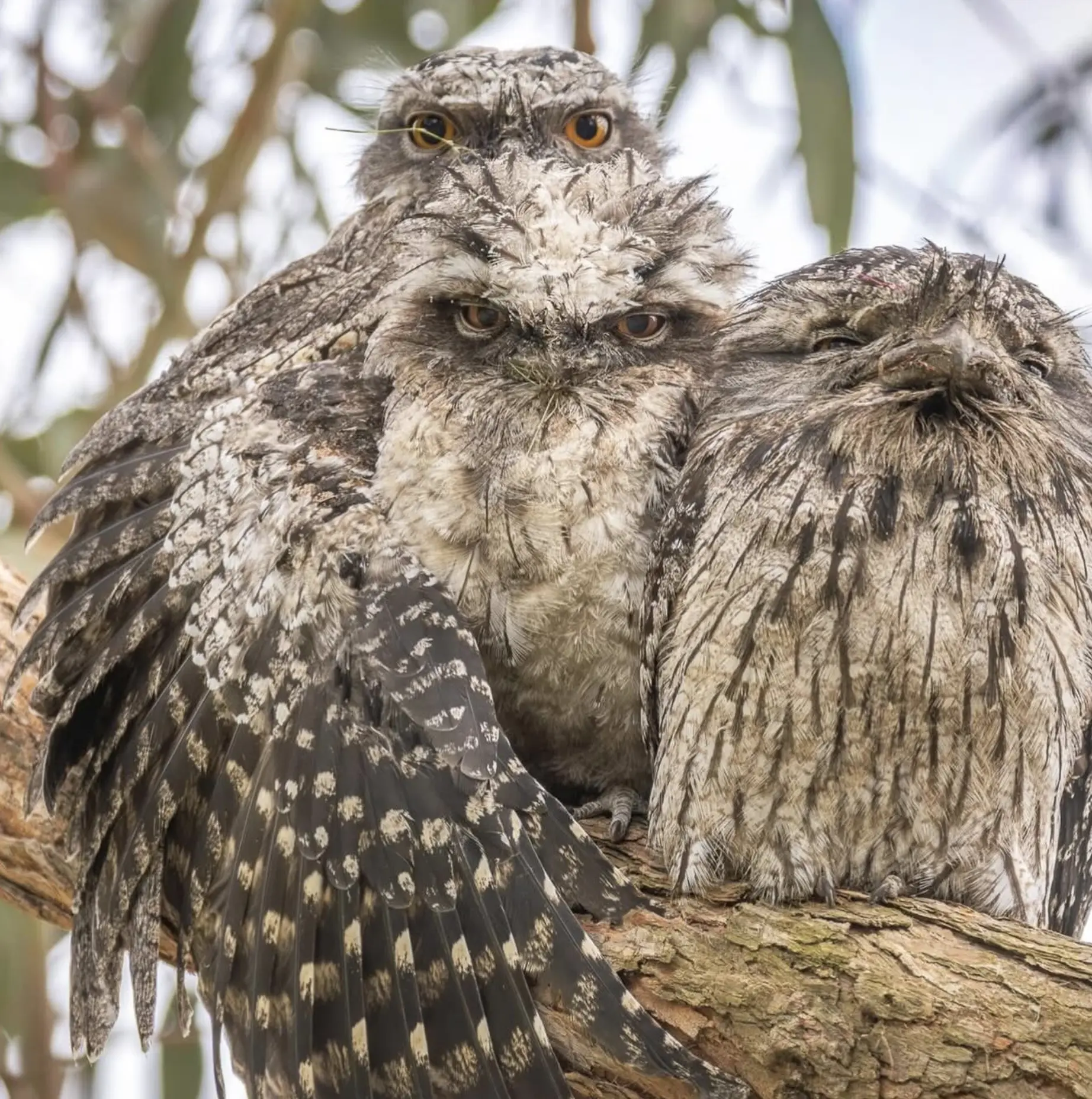
The Yellow-Bellied Glider & the bigger Greater Glider move silently between tall eucalypt trees, barely disturbing the night air. Tawny frogmouths – often mistaken for owls – just perch there like mottled stumps, judging your late-night torch skills.
Glow Worms And Amphibian Surprises
Glow worms light up the Newnes railway tunnel like a starfield – it’s a real treat. This region’s also home to the Blue Mountains Tree Frog & the endangered Green and Golden Bell Frog – especially around damp gullies and protected creeks.
Reptiles You’ll Meet On Warmer Days
As the Blue Mountains warms up, reptiles start to emerge to soak up the sun on track edges and rocky outcrops.
Water Skinks, Diamond Pythons, And Other Reptiles
The Blue Mountains water skink – a species you won’t find anywhere else – darts between mossy rocks near streamlines. You might also see the occasional Diamond Python resting high up in the tree branches. Weasel skinks and other small reptiles rustle quietly near walking tracks.
Snakes — Rare, But Worth Respect
Red-bellied black snakes bask in the sun near waterways, while high-country tiger snakes tend to stay hidden. Just stay calm, give them space, and everyone will walk away happy.
Quick Reference Table — What You’ll See And Where
This table blends personal guiding experience with data drawn from local fauna surveys and the Australian Museum’s regional research.
| Wildlife Species | Best Spots To See Them | Time Of Day | Notes |
| Eastern grey kangaroos | Megalong Valley, Euroka Clearing | Dawn / Dusk | Keep a safe distance |
| Swamp Wallaby / Red-necked Wallaby | Glenbrook, bushland edges | Morning / Afternoon | Often solitary |
| Superb lyrebird | Grand Canyon bushwalk, Jamison Valley | Morning | Listen for mimicry |
| Crimson rosellas | Scenic lookouts, Leura | All day | Avoid feeding |
| Black cockatoos | Grose Vale, cliff lines | Morning / Afternoon | Loud, social |
| Greater gliders | Tall eucalyptus forests | Night | Sensitive species |
| Blue Mountains water skink | Damp gullies, stream edges | Warm days | Endemic species |
| Diamond python | Tree branches, warm rocks | Afternoon | Harmless unless provoked |
| Glow worms | Newnes Tunnel | Night | No bright lights |
Seasons Change: What You’ll See
Seasonal changes in the Blue Mountains aren’t just a gentle shift – the wildlife basically grinds to a halt and then picks up again as soon as the weather changes.
Summer
The reptiles – Skinks like the Weasel Skink and Blue Mountains Water Skink – become super active this time of year. Meanwhile, most of the bird species are trying to stay out of the blistering heat, so if you’re out for a walk, do it early in the morning before the sun gets too high.
Winter
Winter in the Blue Mountains means the sun’s out a bit later, and a bit earlier, & wombats & wallabies are out and about during daylight hours because it’s cold. In the trees, Greater Gliders are fluffing themselves up against the chill, and lyrebirds are in full breeding mode.
Autumn & Spring
The one time of year we really get to see the beauty of the Blue Mountains in flight is when the Yellow-faced honeyeaters stream in en masse. And with Banksias in bloom, it’s a feeding frenzy for all the honeyeaters, rosellas and noisy red wattlebirds.
Bush Etiquette That Makes You A Better Visitor
Whether you’re just out for a stroll down the Great Blue Mountains Trail or off on a bushwalk in one of the local valleys, it’s worth remembering that the wildlife deserves a bit of respect.
- Stick to the tracks – don’t try to take a shortcut through the bush, or you’ll end up damaging the habitat corridors.
- Take your rubbish with you & especially any food scraps – you don’t want to attract any wildlife to the picnic area.
- Keep your voice down – even the most laid-back of animals can get spooked by loud noises.
- Keep your distance – even the friendliest of animals don’t like being messed with.
- Acknowledge the Traditional Owners – Darug & Gundungurra people have a lot of knowledge to share about this place, & conservation values don’t come any wiser than that.
A Simple Itinerary For Real Wildlife Encounters
If you don’t want to try to cram a whole day’s worth of bushwalks into one little visit, try this simple itinerary instead:
Morning
Hit Leura Cascades or the Grand Canyon bushwalk for a chance to see a Superb lyrebird strutting its stuff. You might even catch a glimpse of a rock warbler or some early-rising honeyeaters.
Afternoon
Get yourself down to Megalong Valley or Euroka Clearing for a chance to see some eastern grey kangaroos or Red-necked Wallabies just hanging out in the open.
Evening
Suppose you’re brave enough to venture out after dark, visit the Newnes & look for some glow worms. Or if you’re feeling really adventurous, try to sneak up on a Greater Glider in the Eucalyptus forest while it’s rustling about.
I’ve lost count of the number of times I’ve joined a group run by Wildlife Tours and seen the look of amazement on first-time visitors’ faces when they hear a lyrebird do its little car alarm trick for the first time. And if you join one of Blue Mountain sunset tours with Wildlife Tours, you might even catch a glimpse of a wallaby as the sun dips below the horizon.
Frequently Asked Questions
Are there a lot of scary animals in the Blue Mountains?
No. Honestly, most of the native animals will avoid a confrontation with you. Snakes come out when it’s warm, but as long as you give them a bit of space, they won’t bother you.
Can I see a Tiger Quoll in the Blue Mountains?
They’re still around in some of the more remote areas, but sightings are really, really rare. They’re being tracked by some very clever people with satellite tracking and camera traps courtesy of the Blue Mountains Conservation Society.
Are there koalas in the Blue Mountains?
There are some around, but they’re really, really rare & you’ll be fortunate to spot one in the wild.
Where can I see some of the local species?
Suppose you want to see the Blue Mountains water skink, look for it in damp gullies if you want to see a rock warbler – & it’s the only one of its kind in NSW – you can usually find it along the rocky edges.
Is it okay to feed the birds and kangaroos?
No. Really, it’s not. Feeding wildlife messes up their diets & their natural behaviour & it’s not suitable for any of them.