Kakadu National Park is one of Australia’s most amazing natural attractions, with its dramatic landscapes, rich cultural values, and natural values. This UNESCO World Heritage-listed park is in the Northern Territory, 171 km east of Darwin. Spanning 19,804 square kilometers, Kakadu is Australia’s largest national park, managed by Parks Australia in partnership with the Aboriginal people who have lived here for thousands and thousands of years.
Kakadu’s entire landscape is characterised by rock outcrops, rock shelters, moist gorges, pockets of monsoon forest, and lowland forests, home to a wide variety of wildlife, native plants and plant species. The park is bordered by Arnhem Land to the east and Mary River to the west, with major waterways like Magela Creek, Alligator Rivers and Adelaide River feeding its floodplains and rich soils.
Kakadu’s Geographical Location
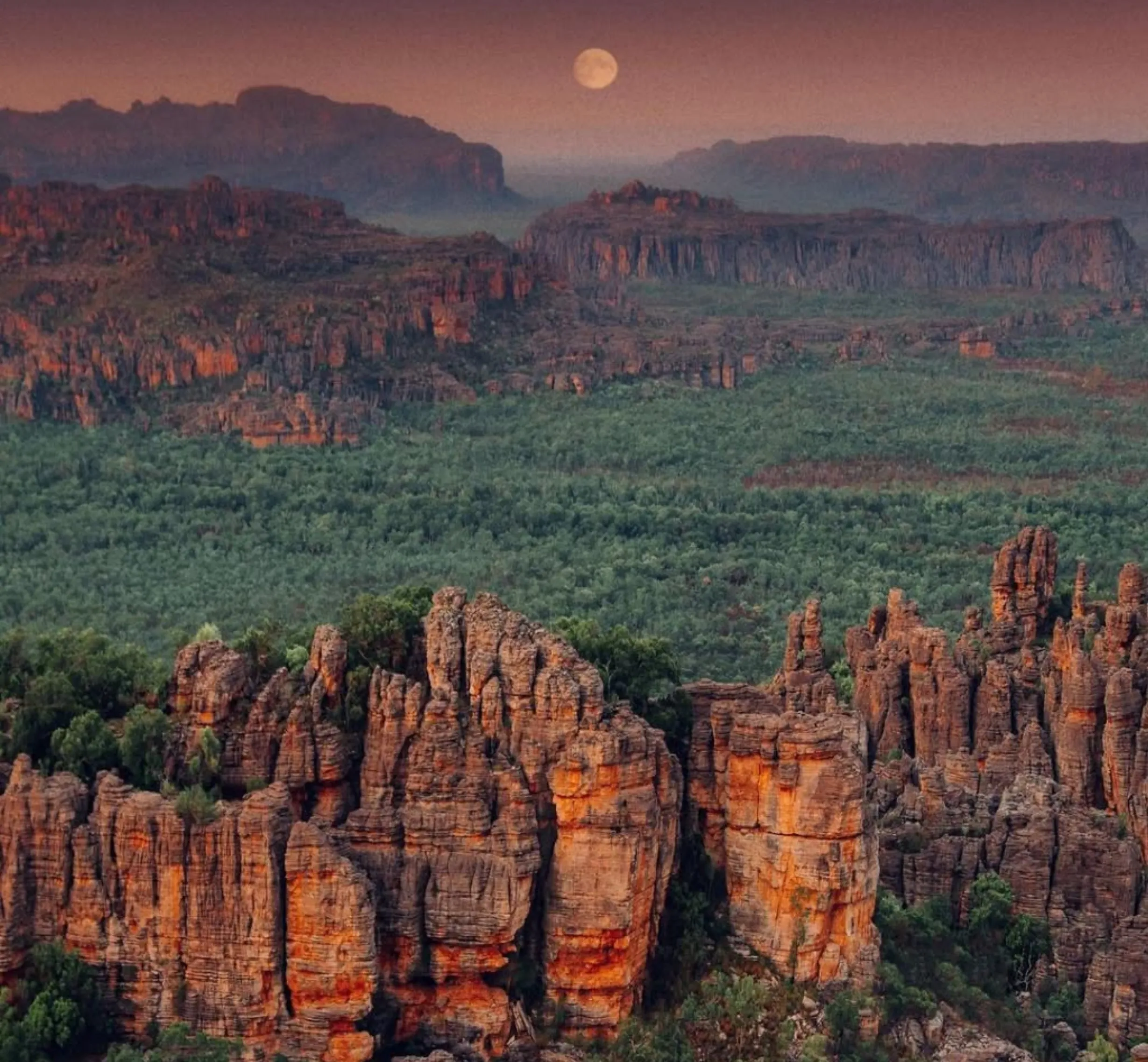
Kakadu National Park is located in the Top End of Australia, in the Arnhem Land region, which is rich in Aboriginal cultural values. The park has a dramatic landscape, from lush lowland forests and pockets of monsoon forest to rock outcrops and moist gorges. There are many plant species, including big trees like paper bark trees, and varieties of mangroves. In the wet season there is plenty of water and wildlife, including reptiles, birds and fish.
The wet season brings water lilies and flooding to the Yellow Water Billabong, which is home to Saltwater Crocodiles, Freshwater Crocodiles and frog species. Rich soils like the alluvial soils along the river banks and Magela Creek support an abundance of wildlife and endemic plants. In the dry season you can see Yellow Water and Anbangbang Billabong and rock shelters and rock art sites along walking trails and scenic drives.
How to Get to Kakadu National Park
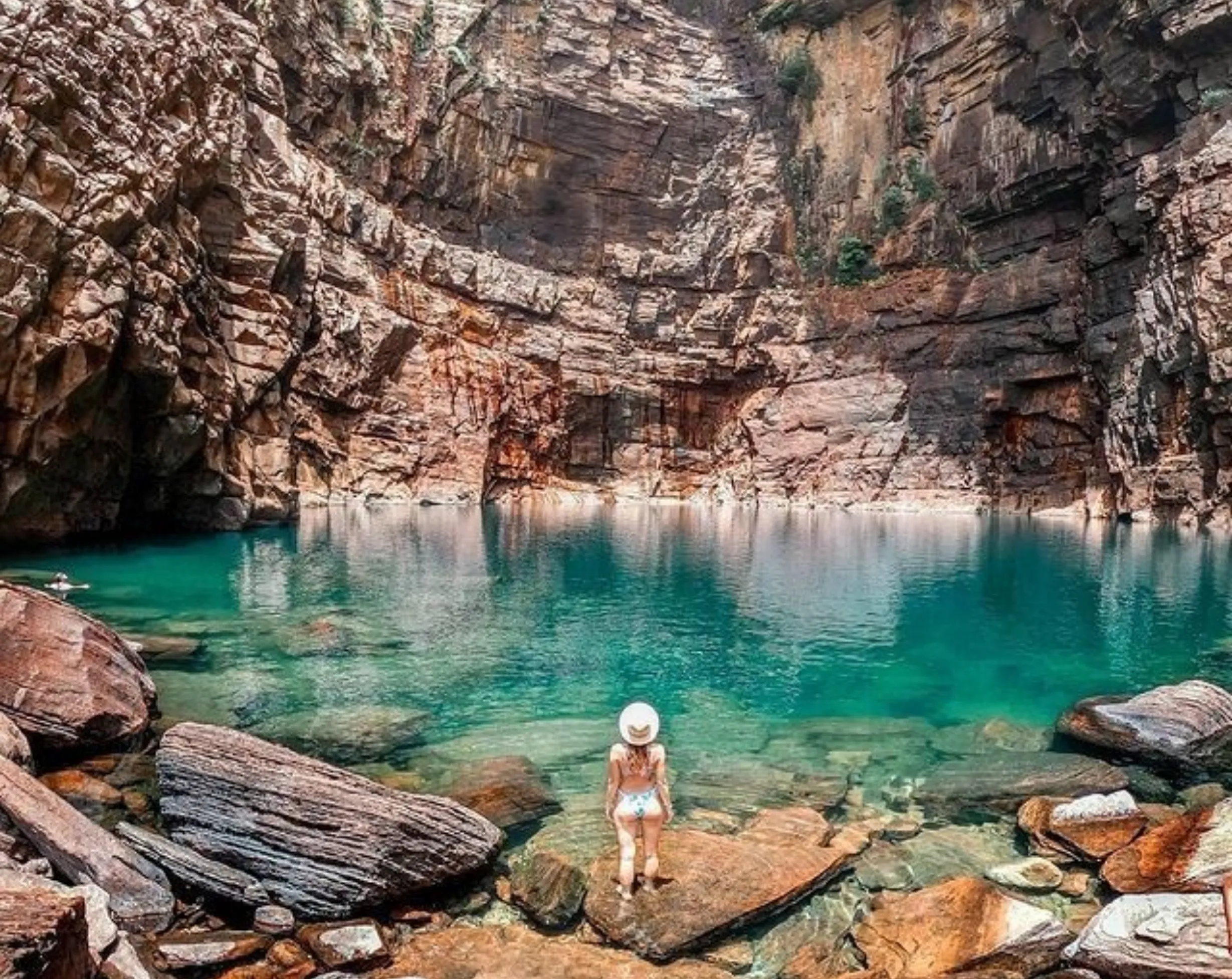
- By Car: The main access road is via the Arnhem Highway from Darwin, which takes around 2.5 to 3 hours.
- By Air: Scenic flights from Darwin or Jabiru offer stunning views of Jim Jim Falls, Twin Falls, Koolpin Gorge, Yellow Water Billabong and the southern hills.
- By Tour: Many guided Kakadu tours operate from Darwin, covering national park activities such as wet season hunting, birdwatching and art sites.
Aboriginal Heritage and Cultural Significance
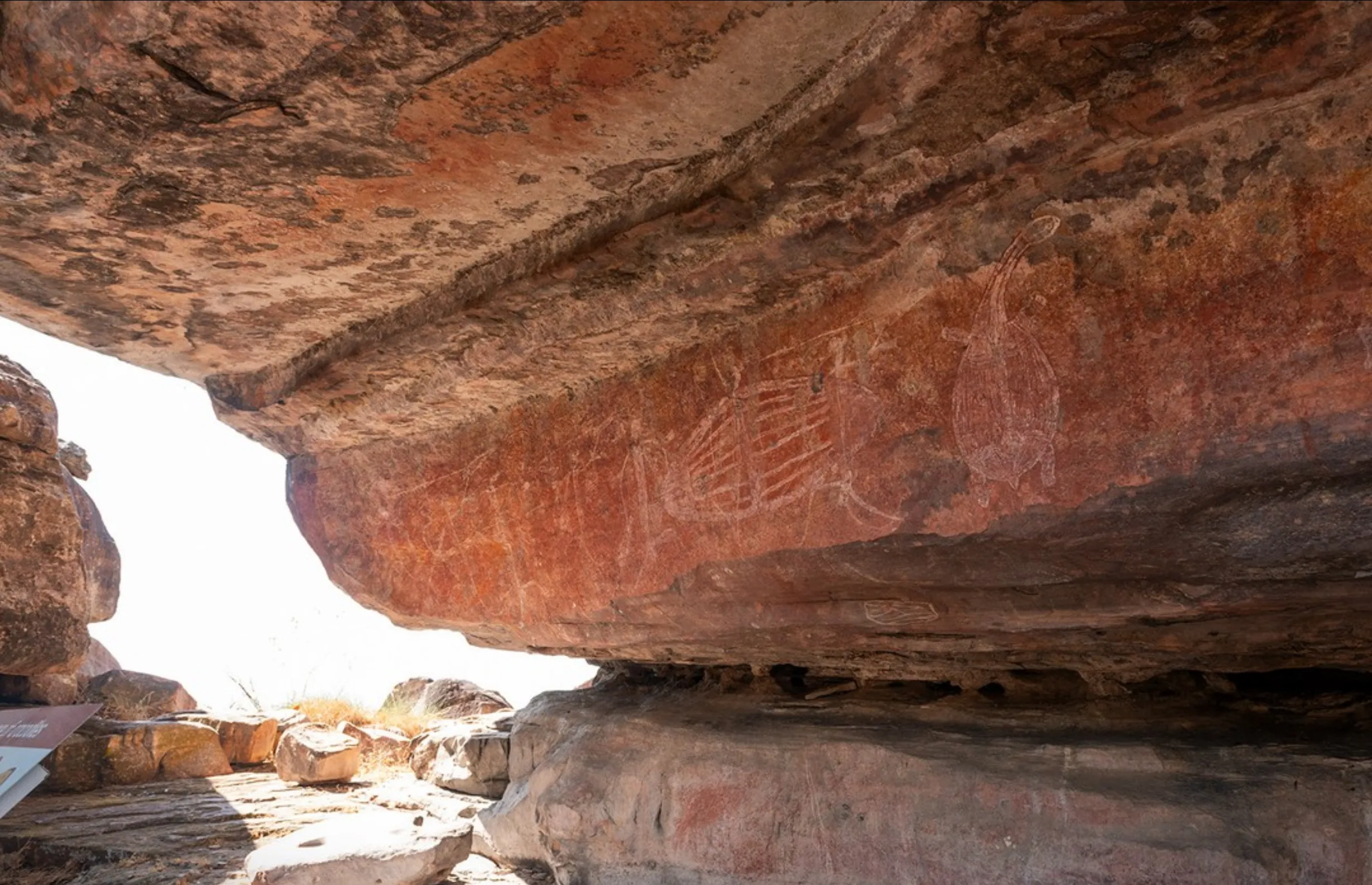
Kakadu National Park is an Aboriginal land, home to some of the oldest archaeological sites in the world. The Aboriginal people of Kakadu have left behind an amazing legacy of rock art styles and contact art, telling their story through thousands of art sites across the park.
Main cultural sites:
Nourlangie Rock and Anbangbang Billabong – These sites have paintings of Dreamtime stories and European contact from the 19th and 20th centuries.
Ubirr Rock Art Site – Rock overhangs with animal and Crocodile hunter depictions.
Mining Camps and Mining Booms – Small-scale gold mining and uranium mines and deposits still evident, showing the history of resource extraction and land use inquiry.
Natural Attractions and Wildlife in Kakadu
Kakadu is famous for its wildlife, including birds, reptiles and freshwater fish. There are Saltwater Crocodiles and Freshwater Crocodiles which can be seen basking on river banks and floodplains.
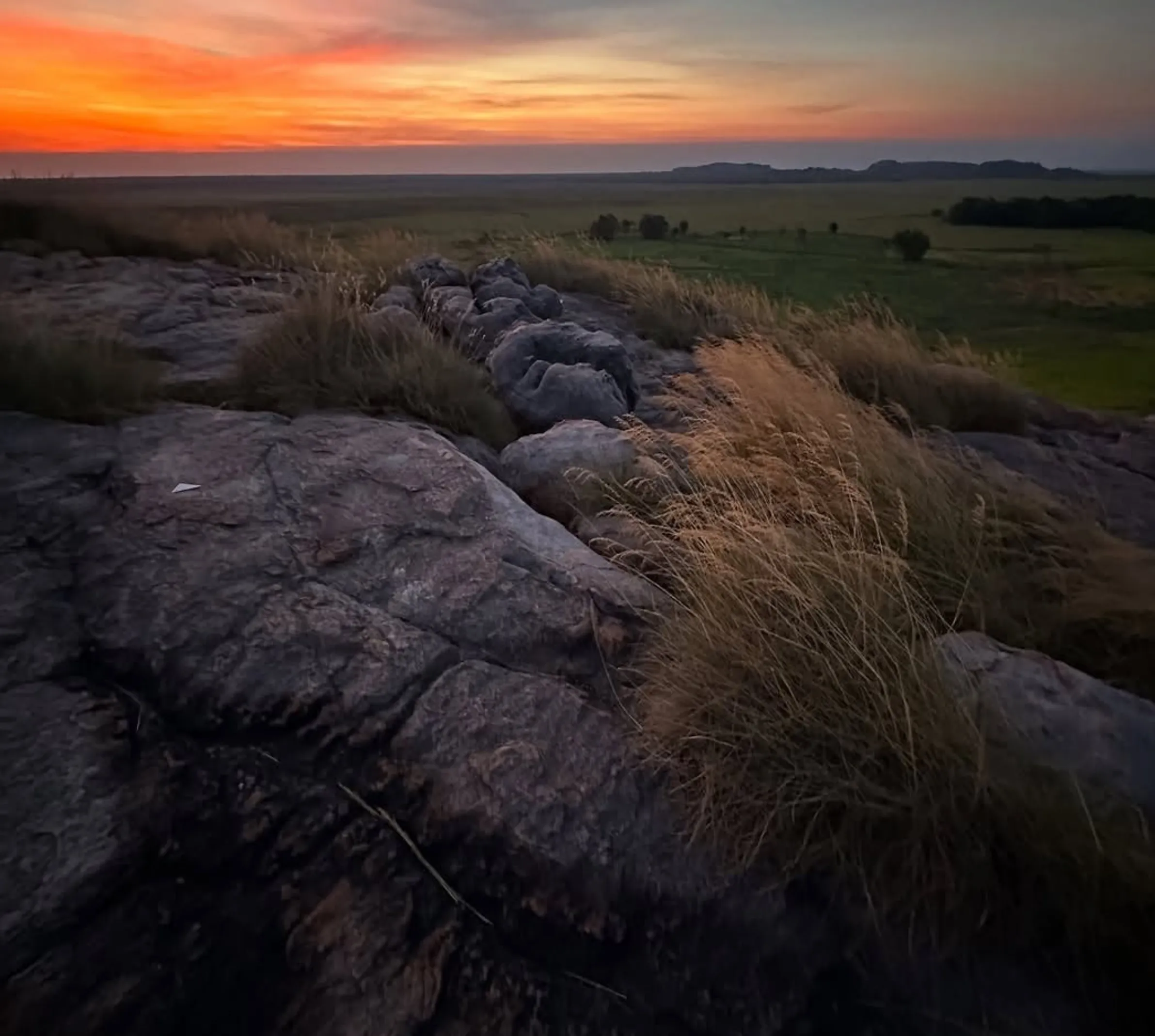
Must see:
- Jim Jim Falls and Twin Falls – Towering waterfalls surrounded by gorges and rock outcrops.
- Yellow Water Billabong – Famous breeding ground for bird species, native fish species and frog species.
- Koolpin Gorge – Pockets of freshwater mangroves and mangroves.
- Southern Hills and Valleys – Sedges, hydrological features and impressive trees like paper bark trees.
- Feral Buffalo and Wounded Crocodiles – Remnants of past crocodile hunting, crocodile shooting and hunting of crocodiles have left their mark on Kakadu.
Seasons and Climate
Kakadu has two main seasons:
- Dry Season (May–October): Best time to see waterfalls, and camping sites and do national park activities. The max temp is warm but comfortable and there’s an abundance of wildlife.
- Wet Season (November–April): Abundance of water, wet season hunting and water lilies. Temp warms up and heavy rain creates a lush landscape but some areas may be closed.
Impact of European Contact and Mining
The 19th and 20th centuries saw the arrival of Crocodile hunters and Crocodile shooting which left wounded crocodiles we see today. Mining camps and uranium mines have changed the land and now there’s an inquiry into land use.
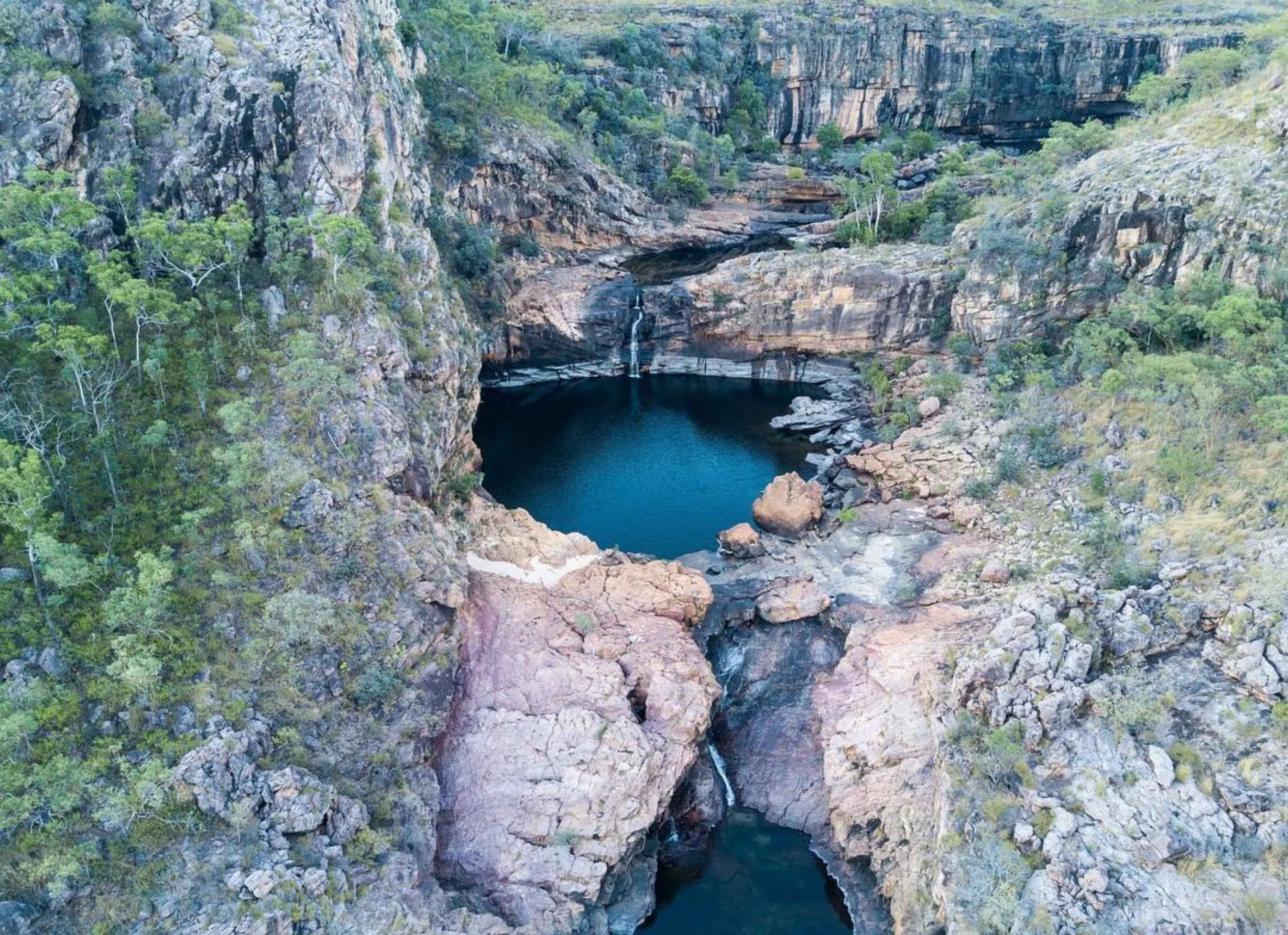
Despite small-scale gold mining, Kakadu is an intact landscape so its wildlife, natural values and cultural values are protected for future generations.
Final Thoughts
Kakadu National Park is the ultimate destination for nature lovers, adventure seekers and culture vultures. From its dramatic landscapes and archaeological sites to its wildlife and endemic plants, this park has it all.
Planning a Kakadu day trips? Whether you’re looking for a self-drive or guided adventure, book with Autopia Tours, your trusted tour Kakadu operator. Contact us for tailored tour packages that showcase the best of this amazing national park! Contact us for tailored tour packages that showcase the best of this amazing national park!
FAQ
When is the best time to visit Kakadu National Park?
The best time to visit Kakadu depends on what you want to do. The dry season (May–October) is perfect for waterfalls, camping and wildlife spotting, while the wet season (November–April) offers lush landscapes, water and thunderstorms.
How do I get to Kakadu National Park?
Kakadu is 2.5 to 3 hours from Darwin via the Arnhem Highway. You can also take scenic flights or book guided Kakadu day trips from Darwin.
What wildlife can I see in Kakadu National Park?
Saltwater Crocodiles, Freshwater Crocodiles, bird species, native fish species, frog species, and reptiles. Feral Buffalo, Black Wallaroo and so much more wildlife in different habitats across the park.
Are there camping sites available in Kakadu?
Yes, Kakadu has several camping sites from basic bush camping to managed campgrounds with facilities. Yellow Water Campground, Koolpin Gorge Campground and Merl Campground are some of the popular ones.
What are the must-see attractions in Kakadu?
Jim Jim Falls, Twin Falls, Yellow Water Billabong, Nourlangie Rock, Ubirr Rock Art Site, Anbangbang Billabong. These places have stunning scenery, archaeological sites and Aboriginal culture.